


Keeping in view the growing need of CME in physicians and healthcare professionals, established under the umbrella of SCOPE, the Continuing Medical Education Department was envisioned to create healthcare teams for change through CME. To work with organizations vested in a team approach- physicians, nurses, pharmacists and other allied healthcare professionals, to facilitate improvements in patient outcomes. We believe in the idea that we all learn from each other and the more we work together the greater the chances are for improvement in skills, strategies and outcomes.

Mission:

To maintain, develop and enhance the knowledge, skills, competence and professional performance by providing the needs-based education for physicians and healthcare providers which enables the optimum provision of healthcare and improve the patient outcomes. To achieve our mission, we are committed to strengthen learners’ knowledge, competence, and performance.

Vision:

To improve patient care by fostering lifelong learning for inter-disciplinary and inter-professional healthcare team by promoting quality improvement in clinical knowledge, skills, and techniques.

Our Objectives

  • To design activities that close professional practice gaps
  • To improve patient outcomes
  • To create and engage learners in the state-of-the-art content
  • To collect and analyze learner data to measure the impact of what we offer
  • To maintain selective criteria in choosing our educational partners
  • To uphold a strict firewall between commercial support and content

Why CME?

CME (Continuing Medical Education) is crucial for several reasons:

  1. Staying Updated: Medicine and healthcare are constantly evolving with new treatments, techniques, technologies, and guidelines. Physicians and healthcare professionals need to keep learning to provide the best care possible for their patients. CME ensures that they stay informed about these advances.
  2. Improving Patient Care: As medical knowledge advances, so does the ability to improve patient outcomes. By participating in CME programs, healthcare professionals can enhance their skills and knowledge, directly impacting the quality of care they provide.
  3. Compliance with Licensing Requirements: Many medical boards and licensing authorities require physicians to complete a certain number of CME credits to maintain their licenses. This ensures that physicians are continuously learning and improving their practice.
  4. Professional Growth: CME provides opportunities for professional development, allowing healthcare professionals to deepen their expertise in specific areas of medicine, explore new topics, or improve their leadership and teaching skills.
  5. Innovation and Research: CME programs often focus on recent advancements in biomedical research and new medical technologies, which can help healthcare professionals stay at the forefront of their field and apply evidence-based practices.
  6. Networking and Collaboration: CME programs also create opportunities for healthcare professionals to network with colleagues, share knowledge, and collaborate on innovative solutions for healthcare challenges.

In essence, CME is essential for maintaining high standards of care, promoting lifelong learning, and fostering a culture of continuous improvement in healthcare.


During the planning and implementation of CME activities, all decisions are made impartially, free from the influence of a commercial interest or sponsor. This includes:

  • Planning Stage
  • Execution of the Event
  • Post Event Evaluation

FAQs for Continuing Medical Education (CME)

CME FAQs

What is CME? Continuing Medical Education (CME) refers to educational activities designed to maintain, develop, or enhance the knowledge, skills, and professional performance of healthcare professionals.
Who can participate in CME activities? CME activities are typically open to physicians, nurses, allied healthcare professionals, and other individuals involved in the medical field.
Why is CME important? CME helps medical professionals stay updated on the latest advancements in their field, meet licensing requirements, improve patient care, and enhance career development.
How do I register for a CME course? You can register by filling out the online registration form available on our website. For assistance, please contact the CME office.
Are there fees associated with CME courses? Some CME courses may have a registration fee, while others may be free. Please check the specific course details for fee information.
Will I receive a certificate after completing a CME activity? Yes, participants who successfully complete a CME activity will receive a certificate of participation.
What are the requirements to be eligible for claiming a CME certificate after an event? 1. Registration (if required)
2. Attendance at the event
3. Test scores (if conducted at an event)
4. Securing passing marks (for Neonatal Resuscitation Course and Pediatric Resuscitation Course)
5. Giving feedback
Are CME credits mandatory for medical professionals? Many regulatory authorities require medical professionals to earn a certain number of CME credits annually to maintain their licensure.
How are CME credits calculated? CME credits are typically awarded based on the number of hours spent in an accredited CME activity, excluding the refreshment period or any other time in which there was no academic activity. Typically, one hour of participation often equals one CME credit.
Can I attend CME activities online? Yes, many CME activities are available in online formats, including webinars, recorded sessions, and live virtual conferences.
How do I know if a CME activity is accredited? Check the course or event details on flyer/poster. If confused, contact the CME office for accreditation information.
Can I cancel or reschedule my registration? Cancellation and rescheduling policies vary by course. Please refer to the course terms and conditions or contact the CME office.
What should I do if I encounter technical issues during an online CME activity? Please reach out to our technical support team via the contact information provided in your course confirmation email.
How often are CME activities offered? CME activities are offered throughout the year. Check our website or subscribe to our newsletter for updates on upcoming events.
Can I suggest topics for future CME activities? Yes, we welcome suggestions! Please share your ideas with us via email or the feedback section on our website.
Whom should I contact for more information about CME? For further inquiries, please contact our CME department at [Insert Email Address] or [Insert Phone Number].
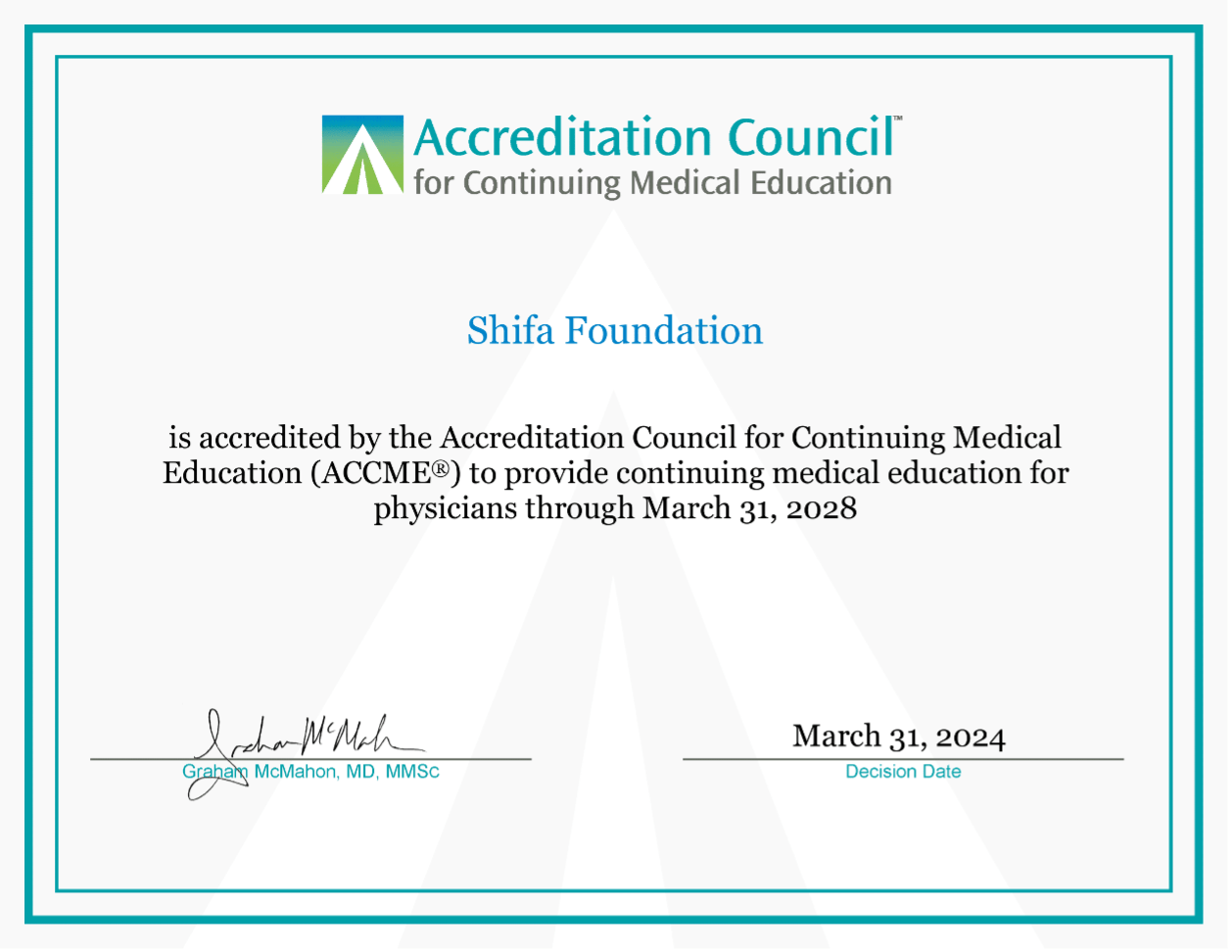
Who is SCOPE affiliated with for providing accredited CME? SCOPE is affiliated with Accreditation Council for Continuing Medical Education (ACCME) to provide accredited CME.
Is every CME accredited by ACCME? Every CME activity has different dynamics and requirements. CME Program Office decides whether an activity would receive ACCME credit hours or not.
If a participant would not receive credit score from ACCME, what would he or she be awarded with? Would it be recognized score? SCOPE would provide PMDC credit hours to activities that meet our compliance standards.